Honda Activa e : Honda’s electric take on its unbeatable Activa scooter aimed to electrify India’s streets, but by late 2025, the buzz has turned to concerns over stalled production and sluggish sales.
Launched with fanfare earlier this year, the Activa e promised swappable batteries and city-friendly range, yet only 698 units sold against thousands of its petrol sibling.
As commuters weigh green perks against real-world glitches, Honda faces a pivotal moment in its EV push.
Launch Hype and Sticky Pricing
Back in January 2025 at Bharat Mobility Expo, Honda unveiled the Activa e at Rs 1.17 lakh for the base and Rs 1.52 lakh for the RoadSync Duo trim, ex-showroom.
Deliveries hit Bengaluru first in February, then Delhi and Mumbai by April, riding the wave of Activa’s 35 million sales legacy since 2001.
Five sharp colors like Pearl Serenity Blue drew eyes, with Honda touting it as a 110cc petrol equivalent for urban dashes.
Also Read This : Moto G Stylus 5G – Dual camera smartphone with stylus pen
Bookings surged initially, fueled by swap station promises—83 in Bengaluru alone, eyeing 250 by 2026. But the no-home-charging model sparked debates; riders loved the concept but craved flexibility like rivals offered.
Priced to compete with TVS iQube and Bajaj Chetak, it felt premium yet practical for families.
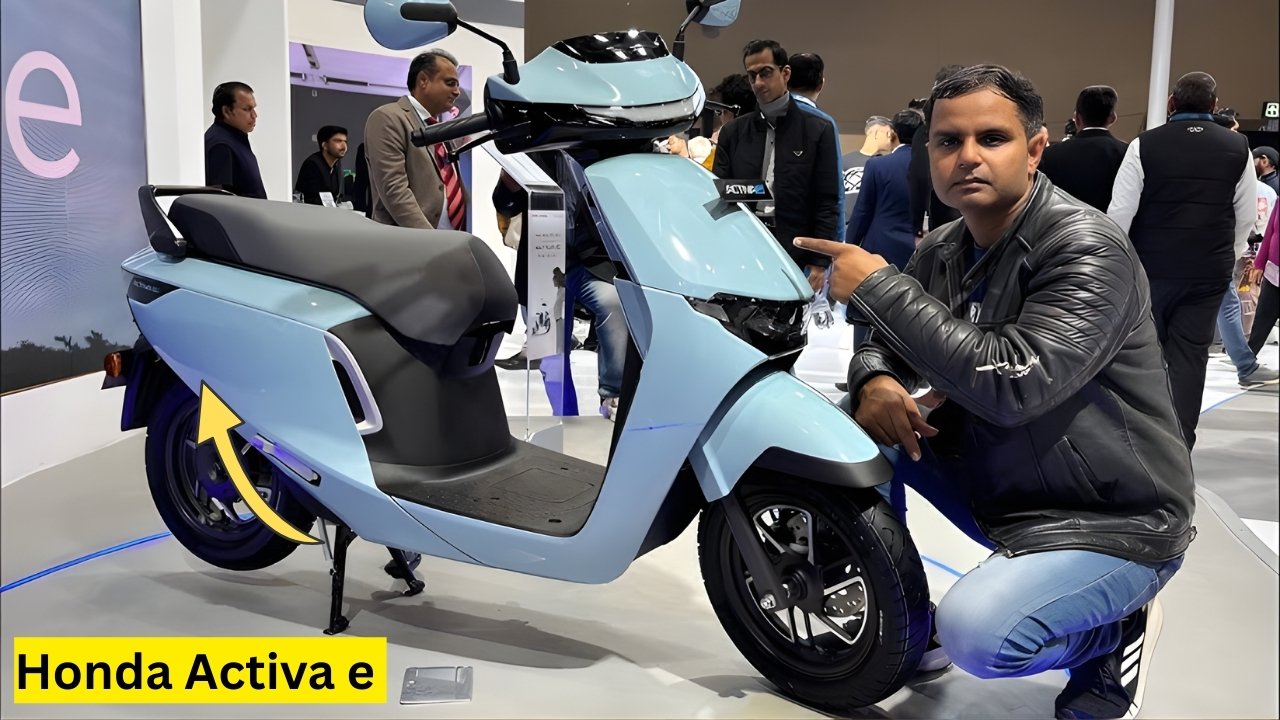
Tech Specs That Sparked Interest
Dual 1.5 kWh swappable lithium-ion packs power a 6 kW peak PMSM motor dishing 22 Nm torque, claiming 102 km IDC range, 80 km/h top speed, and 0-60 km/h in 7.3 seconds.
Modes like Standard, Sport, and Econ, plus reverse gear, made it nimble for tight spots, with 171 mm ground clearance dodging potholes.
A 7-inch TFT screen brings navigation, Bluetooth calls via RoadSync, LED lights, keyless start, and USB-C charging.
Combi-braking on tubeless tires adds safety, though underseat space shrank for batteries—still, a hook and footrest keep it daily-driver ready.
At 119 kg, it’s light and zippy, with 3-year warranties on vehicle and batteries (50,000 km limit). Early spins praised the silent torque, but real range hovered 80-90 km in heat.
Sales Reality Check
From February to July, Honda built 11,168 Activa e and QC1 units combined, dispatching just 5,201—QC1 snagged 86% at 4,252 sold, leaving Activa e with a measly 698.
Production halted August onward, zero units since per SIAM data, piling unsold stock at dealers. Blame game points to sparse swap stations outside three cities, no home plugs, and rivals’ better range or pricing.
Petrol Activa crushed it with 2.37 lakh July sales alone, up 21% year-on-year, underscoring EV struggles.
Forums buzz with “swap strategy flop” talk, as fixed-battery QC1 outperformed. Honda’s Red Wing shops pushed “shop-in-shop” EV corners, but demand fizzled.
Why the Early Stumble?
Battery swaps sounded revolutionary, mimicking Japan’s success, but India’s infra lagged—stations every 5 km promised, yet gaps frustrated riders in traffic.
Competition bit hard: Ola, Ather pack home charging and 150+ km range for similar cash. Urbanites dug low costs per swap, but families balked at station hunts amid 40°C summers.
Also Read This : Toyota Camry – A popular design sedan launch with comfortable features
Honda’s Narsapura plant idled EVs while petrol lines hummed, signaling a strategy pivot. Whispers of home-charging add-ons or relaunches swirl, especially post-Activa’s 35 million milestone bash. QC1’s edge in six cities highlights swap model’s limits.
Honda Activa e Road Ahead for Honda’s EV Bet
Honda eyes 30 global EVs by 2030, but India tests resolve—expanding swaps nationwide or hybrid fixes could revive Activa e.
Production restart rumors hint tweaks for 2026, blending Activa trust with EV perks. For now, petrol rules, but green shifts demand infra leaps. Activa e’s tale? A bold swing missing, yet fixable with rider feedback.